

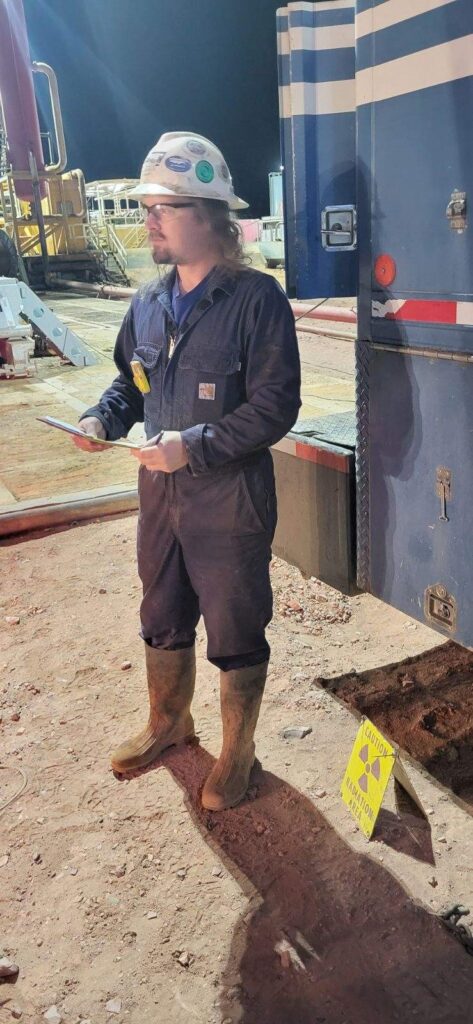
When most people think about oil and gas operations, they picture towering rigs and roaring engines. But behind every successful well, there’s a quiet hero: the mudlogger. These professionals are the eyes and ears of the subsurface, turning raw data into actionable insights that keep drilling safe, efficient, and profitable.
The Day Starts Before the Sun
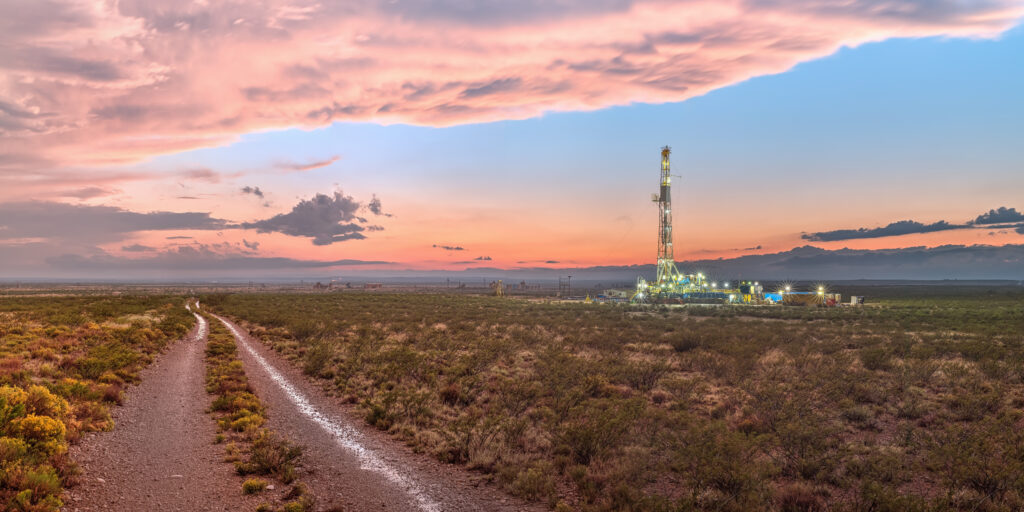
Long before the first coffee break, mudloggers are already reviewing overnight data. They check mass spectrometer readings, XRF outputs, and drilling parameters to ensure everything aligns with the geological plan. Every spike in hydrocarbon chemistry, every subtle shift in GOR, tells a story, and it’s their job to interpret it.
Precision Under Pressure
Mudlogging isn’t just about watching numbers scroll across a screen. It’s about understanding the geology beneath thousands of feet of rock. When a sudden surge in hydrocarbons appears, a mudlogger knows it could mean a fracture zone or a pressure seal. That insight can save a company millions by preventing costly bit trips or optimizing frac stages.
Technology Meets Experience
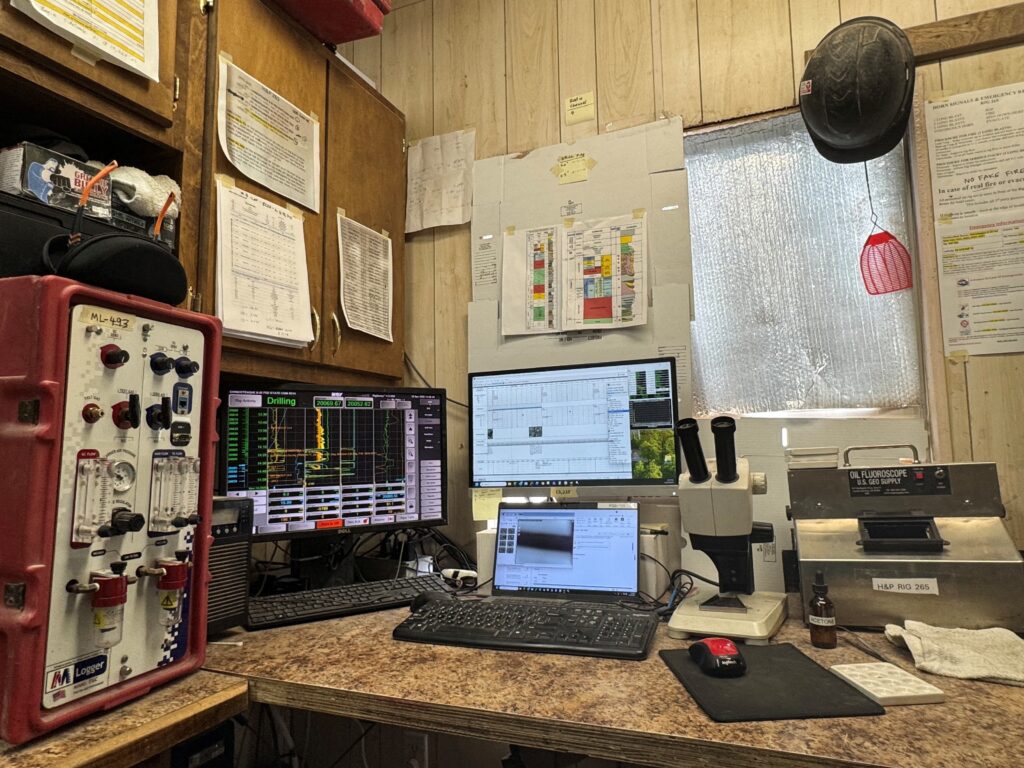
Tools like FGS’s SpectraStacker and XRF workflows make the job more data-driven than ever. But technology is only as good as the person behind it. Mudloggers combine years of field experience with cutting-edge analytics to guide decisions in real time. They’re not just technicians, they’re problem-solvers, strategists, and guardians of well integrity.
The Role of Basin Expertise
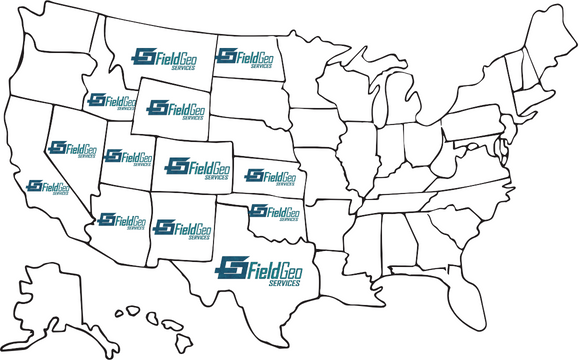
Here’s where wellsite geologists shine. Their deep knowledge of basin-specific geology influences every decision:
- Cuttings Analysis: Recognizing subtle mineral changes in cuttings isn’t just about color, it’s about understanding depositional environments and diagenetic trends unique to that basin.
- Lithology Descriptions: Accurate descriptions require knowing what formations should look like and how they behave under drilling conditions. A seasoned geologist can spot anomalies that signal fractures, faults, or unexpected pressure zones.
- Integration with Chemistry: Basin experience helps correlate XRF elemental data and mass spectrometry trends with known stratigraphy, ensuring geosteering stays on target.
- For more on geological standards and best practices, check out https://www.aapg.org and https://www.api.org.
Why It Matters
Every dataset represents hours of vigilance and expertise. When a mudlogger flags a leaky seal or identifies a sweet spot for lateral drilling, they’re shaping the success of the entire operation. Their work ensures safer wells, better production, and smarter resource management.
Learn more about industry trends at https://www.spe.org or explore energy data at https://www.eia.gov.
The Human Side of Mudlogging
Mudlogging isn’t just a technical job, it’s a lifestyle that demands resilience and sacrifice. FGS mudloggers often work long hours in remote locations, monitoring data around the clock to keep operations running smoothly. This commitment comes at a cost: time away from family and friends, missed birthdays, and even holidays spent on the rig instead of at home. Their dedication ensures that every dataset is accurate and every decision is informed, even when it means putting personal moments on hold for the success of the well.
Thoughts from One of FGS’s Wellsite Geologists
This job isn’t for everyone…However, being in a remote location, working nights, and taking a moment to pause, look up at the moon and stars and just take in the wonder of it all, really makes the job worthwhile. Also, getting to look at actual rock that has been buried for 250 million years, is kind of awesome, especially when you get some mineral crystals or fossils to identify.
I like to think that we make a difference every day but one time we started to get large “biscuits” and pencil shaped cuttings coming over the shaker that indicate hole instability. I might have saved the rig from getting stuck by saying something when I saw abnormal cuttings.
Closing Thought
Next time you see a production report or a drilling efficiency chart, remember the mudlogger and wellsite geologist who made it possible. Their dedication turns chemistry and geology into clarity, and that’s what keeps the energy flowing.
Want to learn more about Field Geo Services wellsite services? Email us at info@fieldgeoservices.com

[…] the holidays are a reminder to appreciate both sides of our work: the geology beneath our feet and the people interpreting it. From mudlogging and mass spectrometry to XRF, XRD, and environmental monitoring, our work is […]