


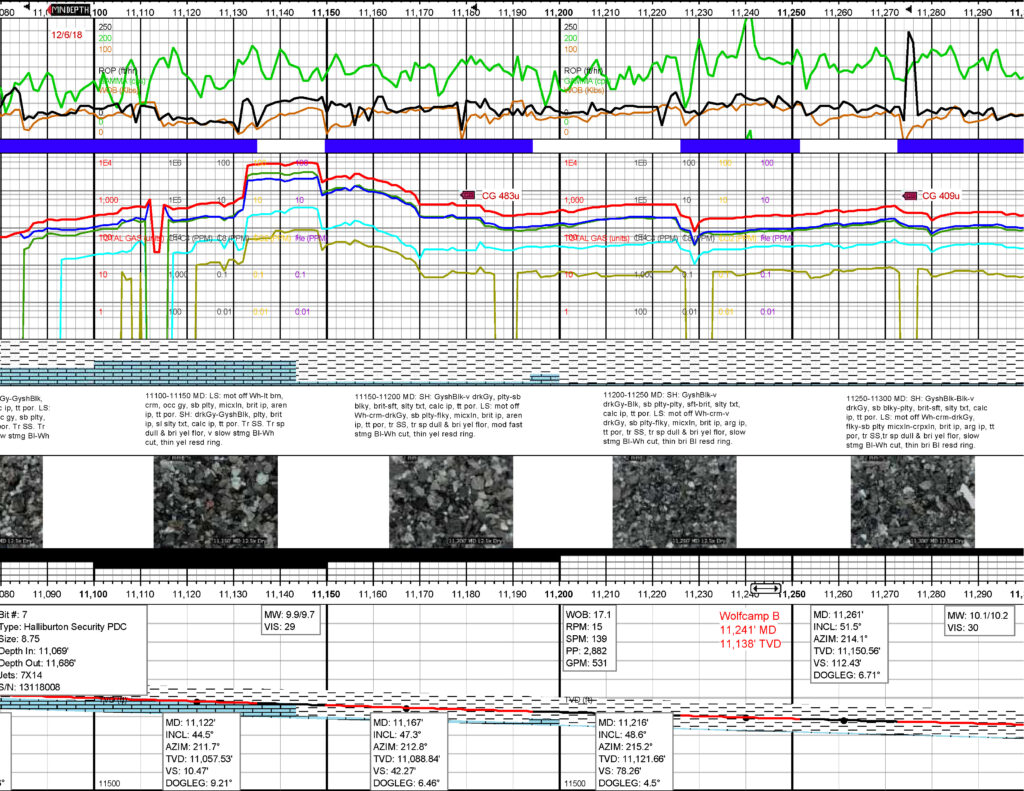
In unconventional drilling, the difference between a good well and a great well is rarely obvious in real time. The bit is turning, the rig is moving, gamma looks reasonable, and drilling continues. But beneath the surface, small errors in subsurface interpretation accumulate into very real economic consequences.
One of the least appreciated contributors to those errors is low-quality mudlogging.
Mudlogging is often treated as a commodity service, a place to save a few thousand dollars per well. In practice, however, mudlogging plays a critical role in formation recognition, landing decisions, geosteering confidence, and understanding production differences. When that role is under-resourced, the cost shows up later, in thinner pay, mispositioned laterals, and lost recoverable reserves.
Where Cheap Mudlogging Breaks Down
Traditional low-cost mudlogging relies primarily on:

- Lower paid mudloggers that aren’t geologists
- Visual cuttings description
- Lagged total gas
- Subjective formation picks
- Sparse or poorly calibrated sensors
This creates potential failure modes that are rarely obvious while drilling.
Gas is treated as volume, not chemistry
Most low-cost mudlogging only measures total gas. But total gas alone can’t tell you:
- Which hydrocarbons are present
- Whether the gas is thermogenic or background
- GOR changes
- Fractures Identification and chemistry of the charge of those fractures
- Whether you are approaching a new interval or exiting pay
This leads to:
- Loss of potential insight into chemistry
- Missed pay signatures
- Poor correlation to offset wells
- Lack of understanding differences in production between wells and areas of an acreage.
The Economic Consequence
These errors rarely show up as catastrophic failures. They show up as:
- Wells that miss the intended target
- Wells that spend less footage in pay than planned
- Wells that underperform
A 10–20 ft vertical error in a 30–50 ft target zone is not unusual with low-resolution logging. Over a 10,000-ft lateral, that can translate into millions of dollars of lost recovery, far exceeding any savings from a cheaper mudlogger. Improved lithology can reduce costs associated with bit trips, damage beyond repair costs, stuck pipe issues and of course slower drilling.
How FGS Approaches Mudlogging Differently
At Field Geo Services, we treat mudlogging as a real-time formation evaluation system, not a commodity reporting function.
We integrate:
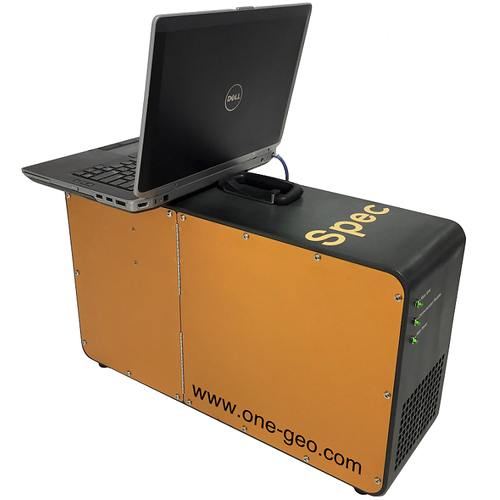
Mass Spectrometry Gas
Provides real-time hydrocarbon composition (C1–C10, ratios, and chemistry fingerprints), allowing early detection of formation changes, pay entry, and fluid transitions.
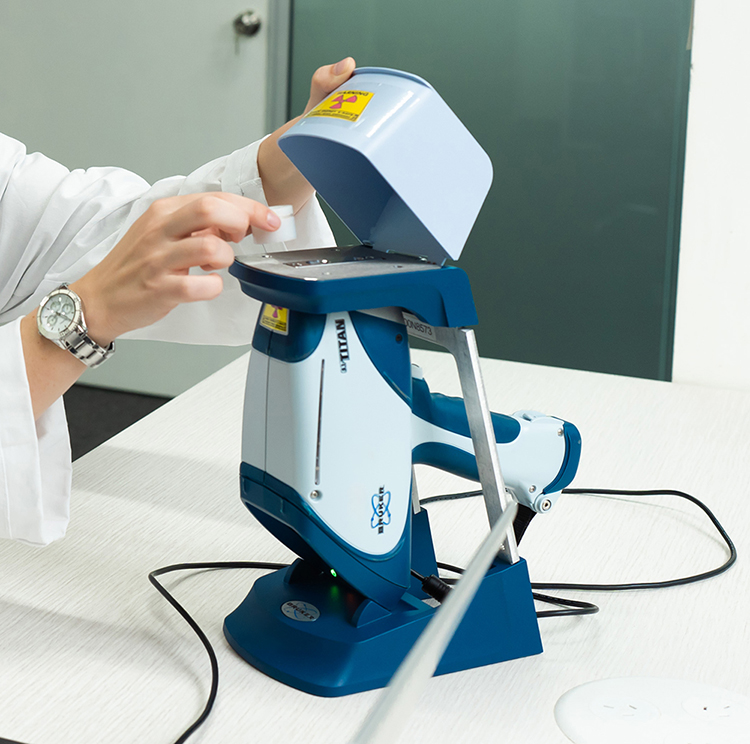
XRF Geochemistry
Elemental fingerprints of cuttings allow objective correlation to formations and facies, independent of lithology descriptions and more quantitative approach.
What This Means on the Rig
Operators using high-quality logging consistently see:
- Tighter control of landing depth
- Faster recognition of exits from pay
- Better correlation to offsets
- Understanding of chemistry and how it relates to production
- Fewer sidetracks and corrective slides
- Fewer bit trips and DBR costs
The cost difference between cheap mudlogging and focused mudlogging is measured in hundreds to a few thousand dollars. The value difference is measured in barrels, feet in zone, and avoided mistakes that can cost hundreds of thousands of dollars.
Conclusion
Mudlogging is not just a regulatory requirement or a box to check. It is one of the few data streams that directly informs where the bit is in the rock, right now.
Treating it as a low-cost commodity doesn’t save money, it shifts risk downstream into drilling performance and ultimate recovery.
At FGS, our goal is simple:
Give operators enough real-time subsurface certainty to make fewer, smaller, and cheaper mistakes.
That’s the real cost of cheap mudlogging, and the real value of doing it right.
Want to discuss your project? Click Here!

[…] The instruments may be identical, but mudlogging interpretation never is. […]